




Meet Nicky
Nicky is a brave mom who saved her piglets from flooding in Iowa. Meet her and learn about her past in this video.
Transforming Animals into Food
Most of us would like to think that the meat, milk, and eggs we buy come from animals that have lived happy, healthy lives. Unfortunately, nothing could be further from the truth. Like cats and dogs, the animals we eat have complex emotions including the ability to suffer. Yet on modern farms, they are treated with such disregard that similar treatment to a cat or dog would be grounds for felony cruelty charges in Minnesota.
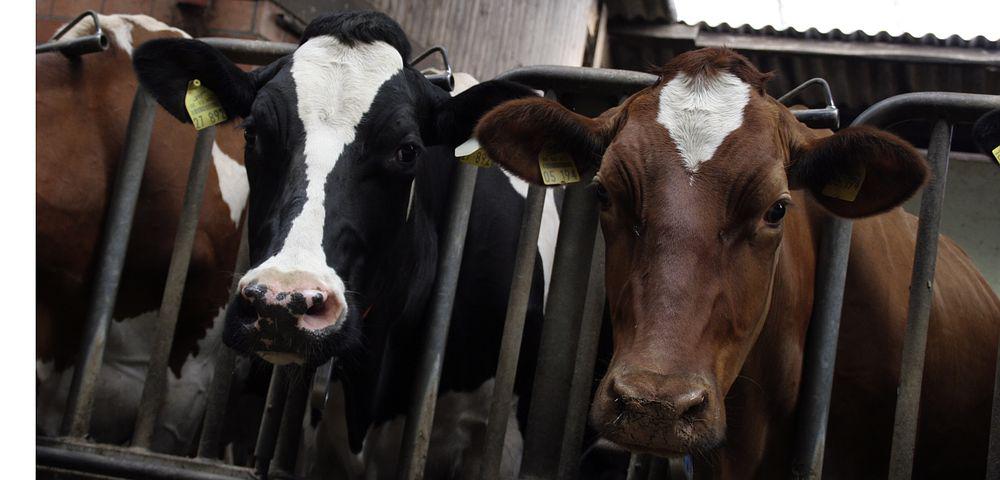
The competition to produce inexpensive meat, milk, and eggs has caused animals to be treated as nothing more than commodities. Animals are confined to the point that they can barely move; some can’t even turn around. When they become sick or injured, they are denied individualized care. Due to selective breeding and growth-promoting drugs, they grow so quickly that their limbs cannot support their added weight. They are mutilated and castrated without anesthesia. In the end, animals raised for meat, milk, and eggs are crammed into trucks and transported to slaughterhouses, where they are killed for our consumption.
Making a Difference
Every time we sit down to eat, we are faced with a powerful choice that carries important consequences. A tremendous amount of animal abuse results from our consumption of meat, dairy, and eggs. Removing them from our diets can help spare countless animals from suffering. With all the great vegan options and resources available, reducing our consumption of animal products has never been easier and sends a strong message of compassion.
The Switch
Here are some tips for cutting animal products out of your diet:
- Going veg doesn’t have to be an “all-or-nothing” endeavor. Every time you eat a plant-based meal, you are helping to reduce suffering.
- Love the taste of meat? Try one of the many chicken-free patties, veggie burgers, or even Beyond burgers available at grocery stores. Most grocery stores have large health-food sections filled with delicious vegan products.
- Get some vegan products that are new to you and experiment! Try using them as substitutes in your favorite recipes.
- Most restaurants have vegan options. Just ask your server which dishes can be made vegan. You can also find out which restaurants have a good selection, check out an online listing of vegan-friendly restaurants at HappyCow.net. The guide has hundreds of entries in Minnesota alone – and thousands world-wide!
- Want to learn more? Check out our Veg Resources page for recipes, links to other useful sites, and more.
Get Connected and Go Veg
If you’re looking to go veg, sign up for our new Explore Veg Challenge! Launching in April, you’ll receive daily tips, challenges, mouth-watering recipes, and powerful information for three weeks to support you in your veg lifestyle. Opt in at exploreveg.org/challenge.
Want more? Check out our annual magazine, Twin Cities Veg Living, and stay connected by signing up for our Weekly Update at exploreveg.org.
We also encourage you to check out Animal Outlook’s free Vegetarian Starter Guide, where you’ll find everything needed to adopt a healthy and humane diet.